
How Office Design Impacts Employee Morale, Productivity, and First Impressions
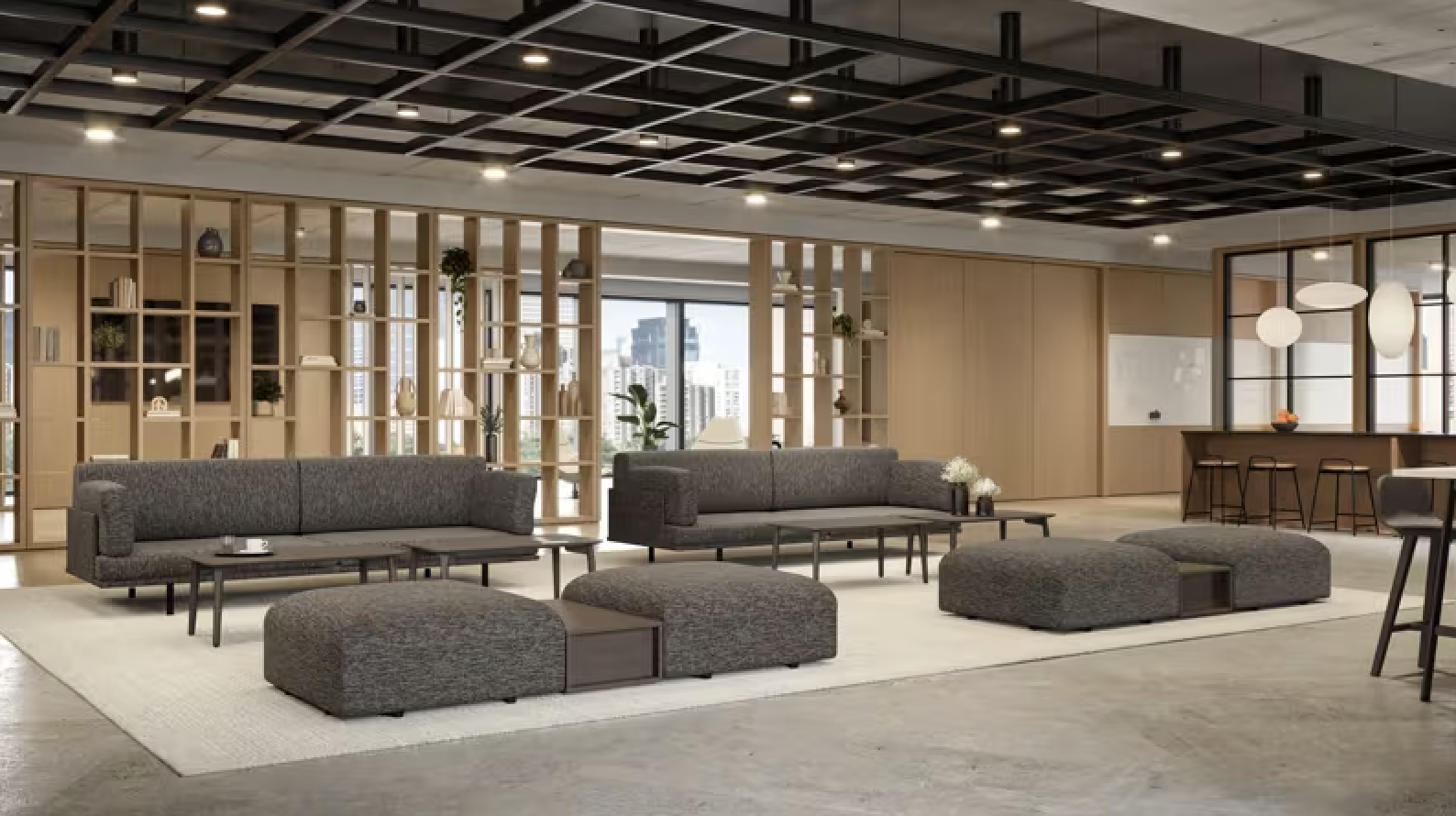
Walk into any office and you'll immediately get a sense of the company behind it. A cluttered workspace with mismatched furniture and poor organization can feel chaotic and uninspiring. A thoughtfully designed office, on the other hand, creates an environment where employees feel motivated, visitors feel welcomed, and businesses operate more efficiently.
Office design is about much more than aesthetics. The layout, furniture selection, organization systems, lighting, and overall flow of a workspace all play a role in shaping employee morale, productivity, collaboration, and even client perception. As companies continue to compete for talent and seek ways to improve workplace performance, investing in office design has become a strategic business decision rather than a cosmetic upgrade.
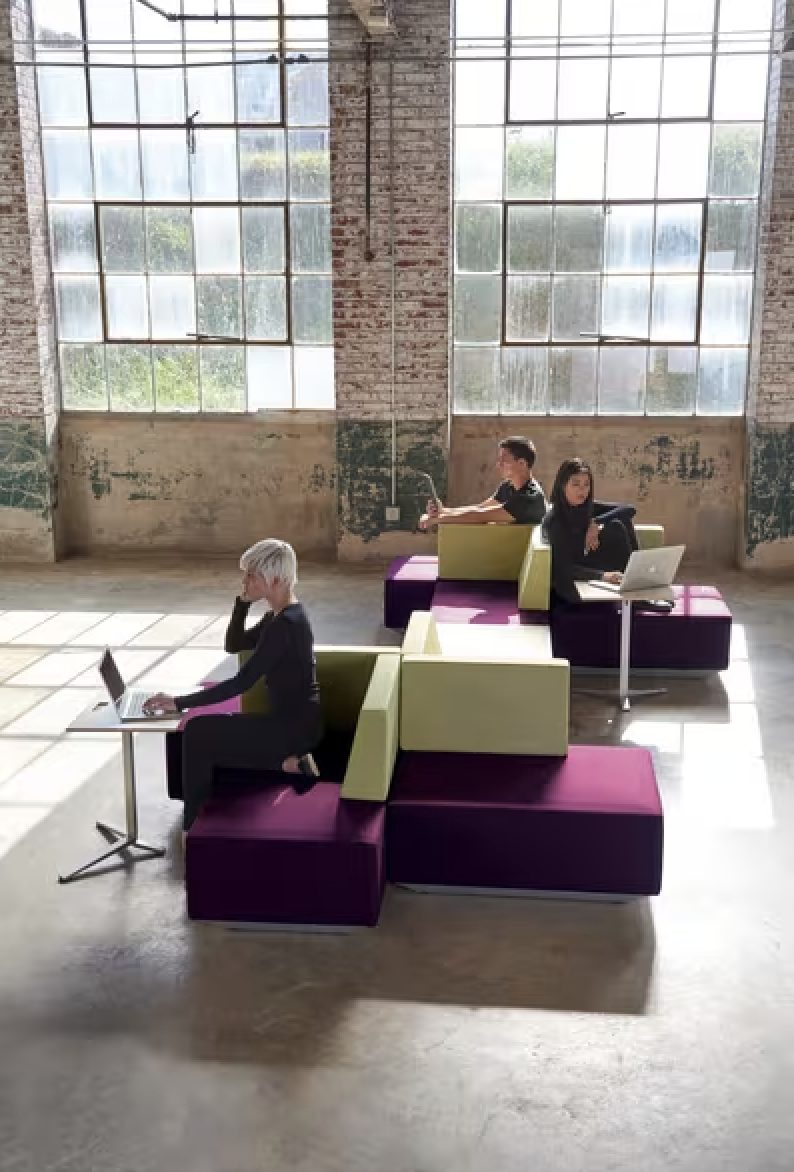
Why Office Design Matter
When businesses think about improving productivity, they often focus on technology, training programs, or operational processes. While those factors certainly matter, one of the most influential tools for improving workplace performance is often overlooked: the office itself.
The design and organization of a workspace affect far more than appearance. Every aspect of an office, from furniture selection and layout to storage solutions and lighting, influences how employees feel, how efficiently they work, and how visitors perceive the company. A well-designed office creates an environment that supports focus, collaboration, and professionalism, while a cluttered or poorly planned space can quietly undermine morale and productivity every day.
The Connection Between Organization and Productivity
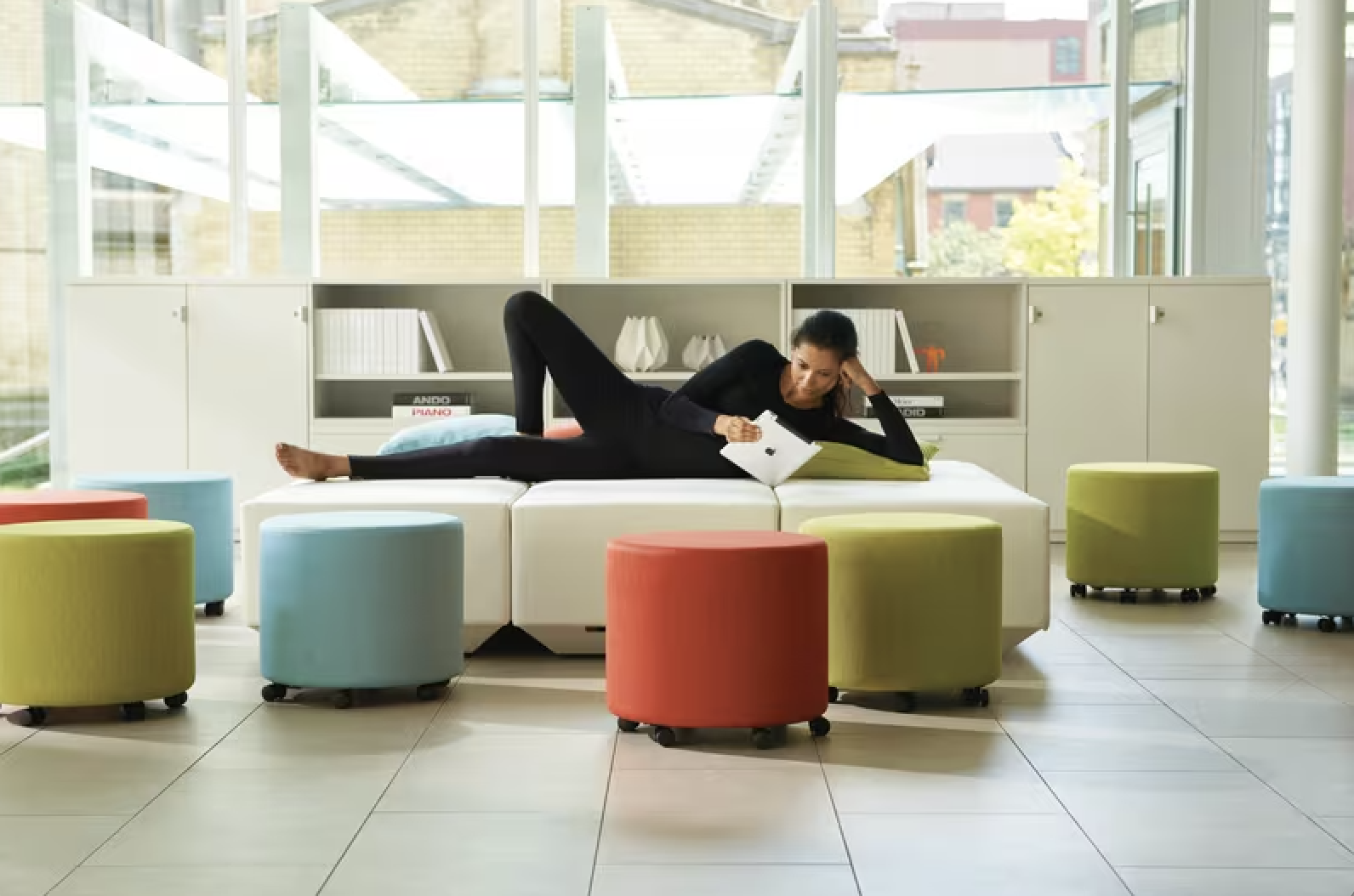
Employees spend a significant portion of their lives at work. When they enter an organized, comfortable, and visually appealing environment, they are more likely to feel valued by their employer and engaged in their responsibilities. A workspace that provides adequate room to work, ergonomic furniture, proper lighting, and logical organization reduces frustration and allows employees to focus on meaningful tasks rather than workplace distractions.
The effects of organization alone can be substantial. In many offices, valuable time is lost searching for documents, supplies, or information that should be readily accessible. Cluttered workstations and overflowing storage areas create unnecessary stress and make even simple tasks more difficult. By implementing effective storage solutions and thoughtful office planning, businesses can create a more efficient environment where employees spend less time managing chaos and more time contributing to company goals.
The benefits extend beyond productivity. Workplace organization can also have a measurable impact on employee morale. When employees feel proud of their surroundings, they often take greater ownership of their work and develop a stronger connection to the organization. A clean, professional workspace signals that leadership cares about the employee experience, which can improve workplace satisfaction and even support long-term retention efforts.
Many businesses have discovered these benefits firsthand. One professional services firm struggled with communication barriers between departments because employees worked in isolated workspaces and had limited opportunities for collaboration. Rather than expanding the office footprint, the company reimagined its existing space. By introducing flexible meeting areas, collaborative workstations, and improved traffic flow throughout the office, the organization created opportunities for employees to interact more naturally. Leadership soon reported improved communication, faster project completion, and higher employee satisfaction without adding a single square foot of office space.
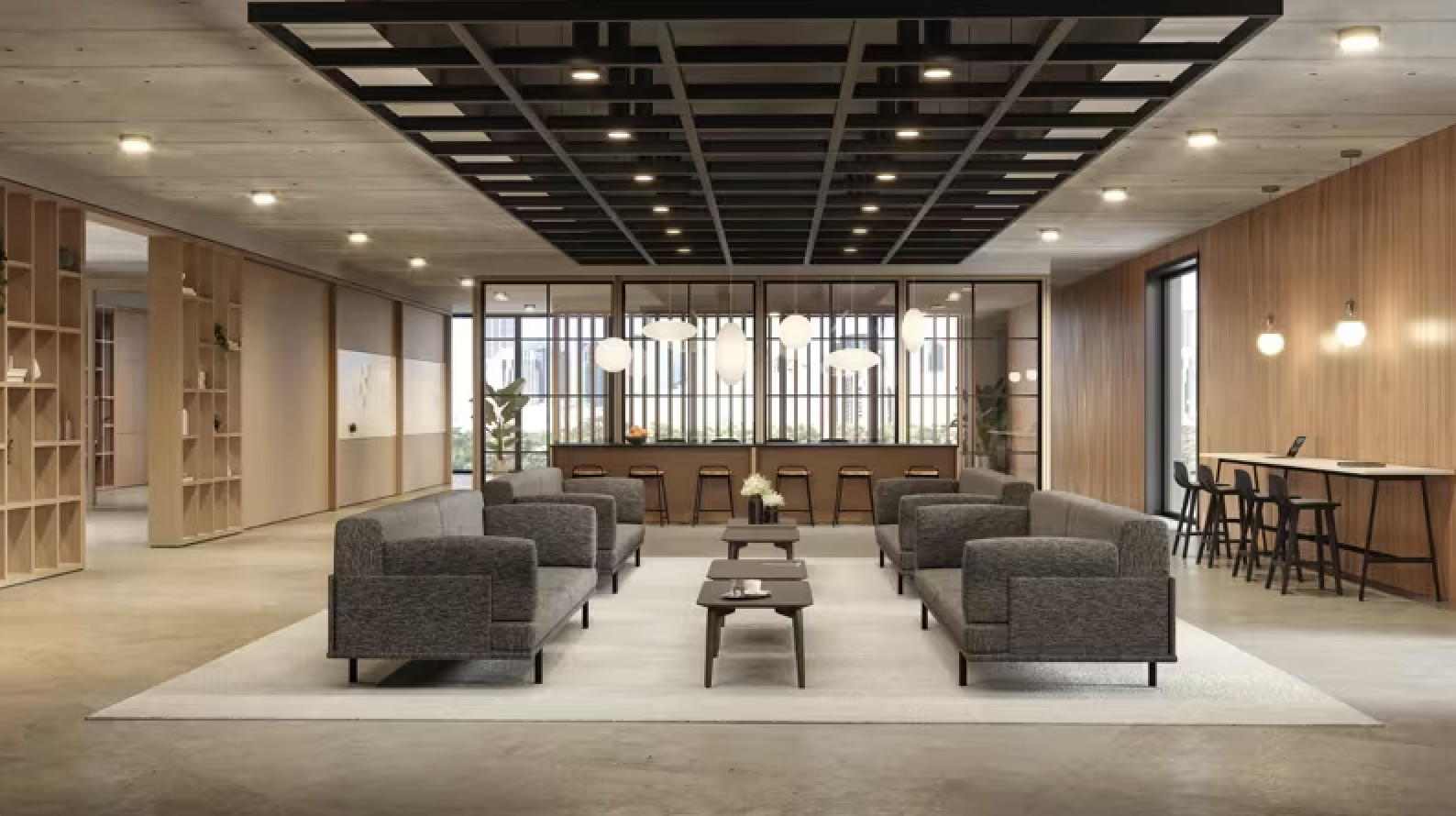
Another company found that its physical environment no longer reflected the quality of service it provided to clients. Visitors entered a reception area filled with outdated furniture and inconsistent branding, creating a disconnect between the company's reputation and the experience people encountered when walking through the door. After refreshing the reception area, updating conference room furnishings, and implementing a cohesive design throughout the office, the company noticed a significant improvement in client feedback. The updated environment reinforced the professionalism of the organization and helped strengthen first impressions during important meetings.
These examples highlight an important reality: office design influences not only employees but also customers, vendors, and prospective hires. Before a conversation ever begins, visitors form opinions based on what they see. An organized and thoughtfully designed office communicates professionalism, attention to detail, and confidence. Conversely, a neglected workspace can unintentionally suggest disorganization or a lack of investment in the business itself.
As workplace expectations continue to evolve, businesses are increasingly recognizing office design as a strategic investment rather than a simple operational expense. The most effective workspaces are those that balance functionality, comfort, organization, and aesthetics while supporting the unique needs of the people who use them every day.
At OfficeWorks, we understand that every office tells a story. Through strategic workspace planning, furniture solutions, storage systems, and workplace design services, we help organizations create environments that support productivity, elevate employee morale, and leave lasting impressions on visitors. Whether you're furnishing a new office, reorganizing an existing workspace, or planning for future growth, investing in your physical environment is ultimately an investment in your people and your business.
The best offices do more than provide a place to work. They create spaces where employees can thrive, clients feel confident, and businesses position themselves for long-term success.