
Designing Workspaces That Work: How Tables, Chairs, and Textiles Shape Productivity
The modern workplace is evolving fast. Today’s offices are no longer static environments filled with rows of desks and task chairs. They are dynamic ecosystems designed to support movement, collaboration, and focus in equal measure. At the center of this evolution is furniture. Not just as a functional necessity, but as a strategic tool that influences how people feel, interact, and perform throughout the day. Drawing from the latest product innovations in , it is clear that the future of office design is rooted in flexibility, material intelligence, and human centered thinking.
Seating That Adapts to the Individual
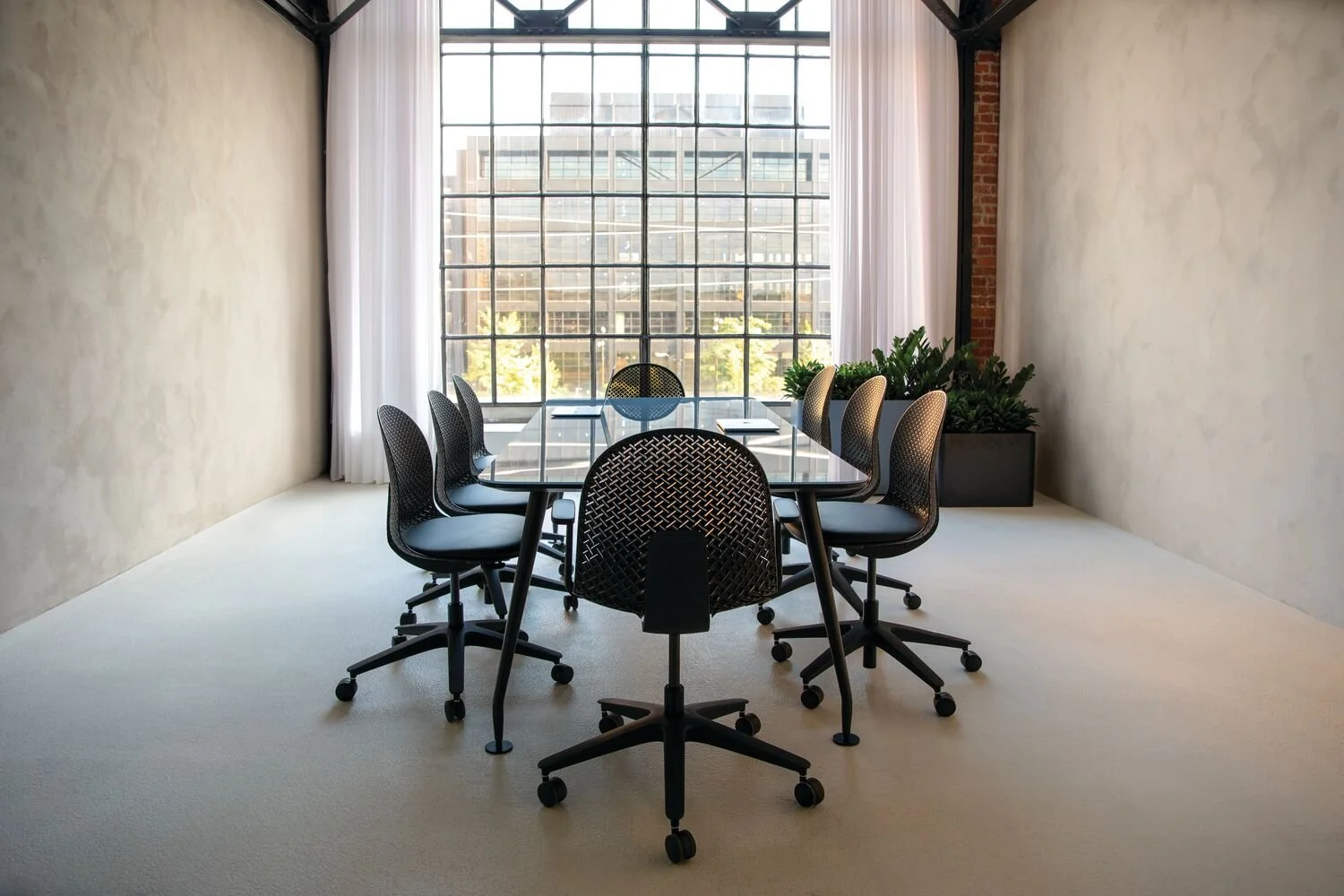
One of the most significant shifts in workplace design is happening at the seat level. Traditional office chairs relied on knobs, levers, and manual adjustments to deliver ergonomic support. Today, that approach is being replaced with intelligent design that adapts naturally to the user. The Blink Chair is a prime example. Its flexible shell structure responds to the body’s movement without requiring constant adjustment, offering targeted support through material innovation rather than mechanical complexity. The result is a more intuitive seating experience that reduces friction and allows users to stay focused on their work. Similarly, the Colibri Chair introduces a lighter, more adaptable approach to seating. With stackable options and both upholstered and non-upholstered variations, it is designed for spaces that need to shift quickly, such as training rooms, collaborative zones, or multi use environments. Durable materials and cleanable surfaces also make it practical for high traffic settings without sacrificing design. Together, these seating solutions reflect a broader trend. Chairs are no longer just about sitting. They are about supporting movement, flexibility, and long term comfort.
Tables That Encourage Connection
If chairs are about individual comfort, tables are about collective energy. The rise of collaborative work has transformed the role of tables in the office. They are no longer just surfaces. They are gathering points. Kiosk Tables embody this shift. Designed in multiple heights including standard task height, counter, and bar, they create layers of interaction within a single space. Employees can sit, stand, or casually lean depending on the nature of their work. Mobility is another key factor. With optional casters and integrated power access, these tables can be repositioned easily and support the technology demands of modern teams. Built in storage options further enhance usability, giving teams quick access to shared materials. The impact is subtle but powerful. Spaces that once felt static become active, adaptable, and alive.
Creating Comfort in Shared Spaces
As offices become more flexible, the lines between work and hospitality continue to blur. Lounge style environments are no longer reserved for waiting areas. They are integral to how people collaborate, meet, and recharge throughout the day. The Clique Luxe collection reflects this shift. With plush cushioning, tailored upholstery, and modular configurations, it introduces a higher level of comfort into shared environments. Whether used in a lounge, café style setting, or informal meeting area, it creates spaces that feel inviting and human. This kind of design encourages longer, more meaningful interactions. It allows employees to choose how they engage with their environment, which ultimately leads to better focus, creativity, and collaboration.
Defining Space Without Closing It Off
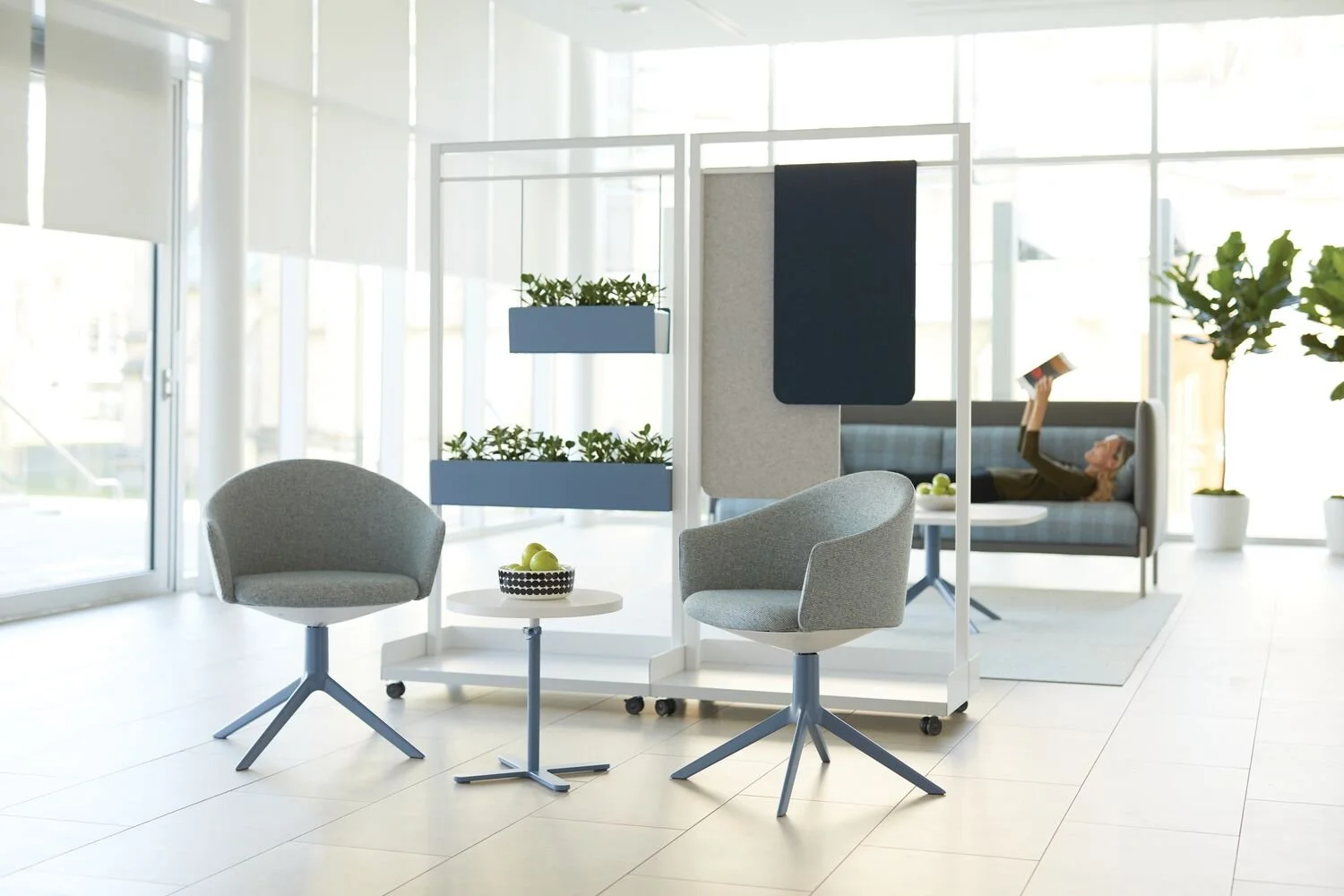
Open plan offices have brought many benefits, but they have also introduced challenges around noise, privacy, and spatial clarity. That is where architectural elements like Ligna come into play. Rather than building permanent walls, Ligna uses modular partitions, shelving, and integrated panels to subtly define areas within a space. Wrapped in wood veneer, it adds warmth and texture while maintaining a clean, modern aesthetic. These systems allow organizations to create distinct zones such as quiet areas, collaborative spaces, and meeting rooms without sacrificing openness. The result is an office that feels both structured and flexible, giving employees the best of both worlds.
The Role of Nature in the Workplace
A high performing office is not just functional. It is also restorative. Incorporating natural elements into the workspace has been shown to improve mood, reduce stress, and enhance overall wellbeing. The Kiosk Planter system brings this concept to life by integrating greenery directly into the office layout. More than just decorative, these planters act as subtle partitions, guiding movement and creating softer transitions between spaces. Their modular design allows them to be arranged in straight lines, curves, or clusters, adding both visual interest and practical function. The presence of plants introduces a sense of calm and balance, something every modern workplace can benefit from.
Textiles That Elevate the Experience
While furniture often takes center stage, textiles play a critical supporting role in shaping how a space feels. The Beyond the Surface collection from Luum Textiles highlights the importance of materiality in office design. Inspired by art, nature, and fashion, these textiles bring depth, color, and texture into the environment. From woven upholsteries to drapery and multipurpose fabrics, these materials are designed not only for visual impact but also for performance. They enhance acoustics, improve durability, and contribute to a more comfortable, layered atmosphere. In many ways, textiles are what transform a space from functional to memorable.
A More Thoughtful Workplace
When you look at these innovations collectively, a clear direction emerges. Workplace design is no longer about filling a space with furniture. It is about creating an environment that supports people at every level. Chairs adapt to movement. Tables encourage connection. Textiles add depth. Architectural elements bring clarity. Natural elements restore balance. Each piece plays a role in shaping an experience that feels intentional, flexible, and human.