
New Office Design Concepts Are Raising the Bar for Modern Workspaces
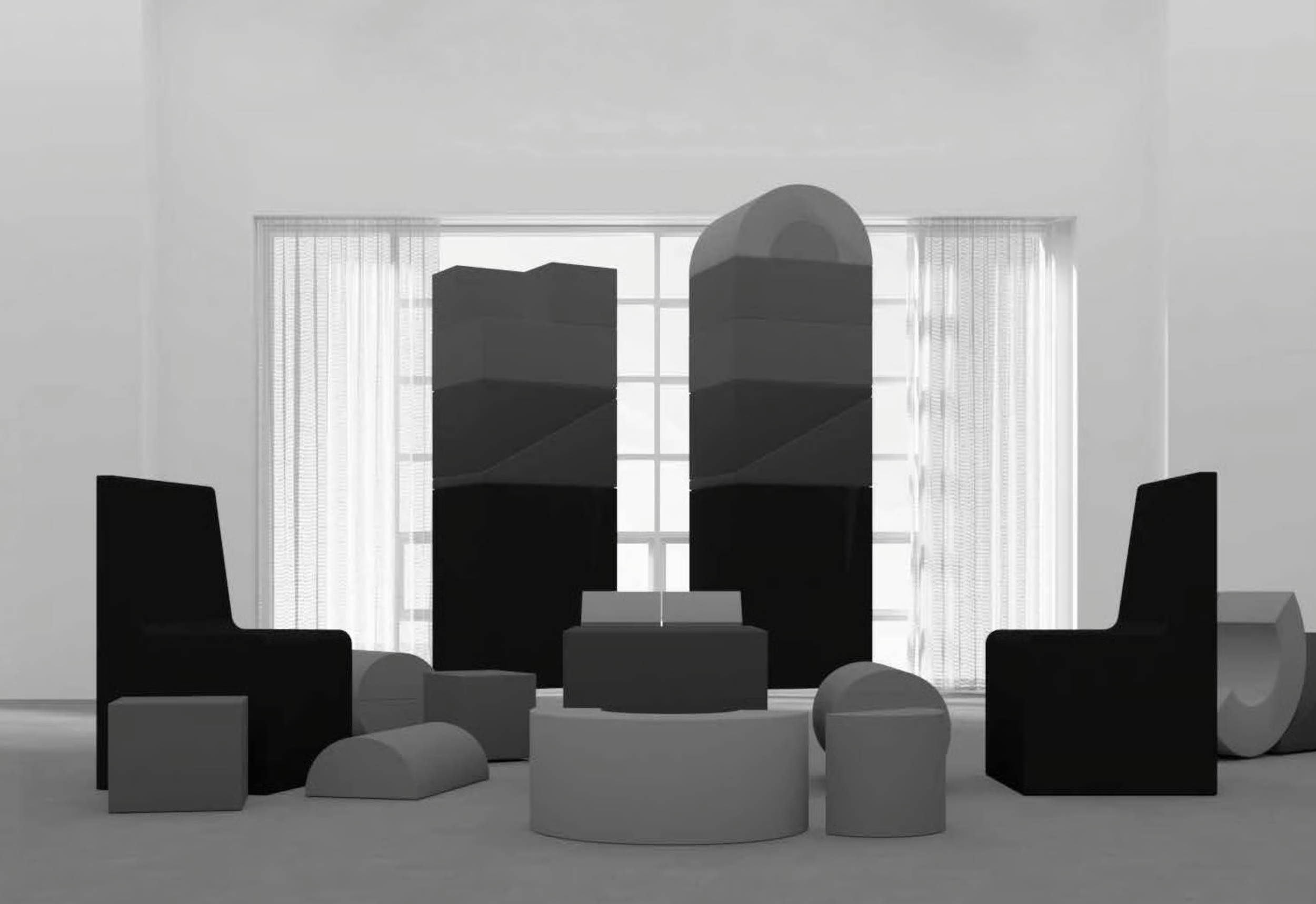
tetroid concept submitted Syllable Design
Office design is no longer just about desks and chairs or filling a floor plan. Today’s workplaces are expected to do far more. They must support focus, collaboration, flexibility, wellness, and brand presence all at once. They also need to reflect a company that is thinking ahead rather than reacting to change. This is where Teknion’s Advanced Concepts 2.0 enters the conversation. Built around the idea of designing for a new generation of work while still addressing universal workplace needs, this collection explores how office environments can become more adaptable, more engaging, and more visually impactful. Teknion positions these concepts around wellness, spatial efficiency, and flexibility, with a clear focus on how people actually work today rather than outdated models. For businesses investing in their space, this shift is significant. A well designed office is not just a backdrop. It shapes how employees feel throughout the day and creates an immediate impression for every client, recruit, and visitor.
Why advanced office concepts matter now
The modern workplace has become a balancing act. Teams need areas for deep focus, quick conversations, structured meetings, and informal collaboration. At the same time, leadership wants an environment that feels intentional and elevated rather than generic. Teknion’s Advanced Concepts 2.0 addresses this by rethinking how furniture and interior systems function within a space. Instead of treating the office as something fixed, these concepts position it as fluid and responsive. The workplace becomes something that adapts to people rather than forcing people to adapt to it. This is where advanced concepts provide real value. They introduce new ways of thinking about space while helping businesses create environments that feel more dynamic, more human, and more aligned with modern expectations.
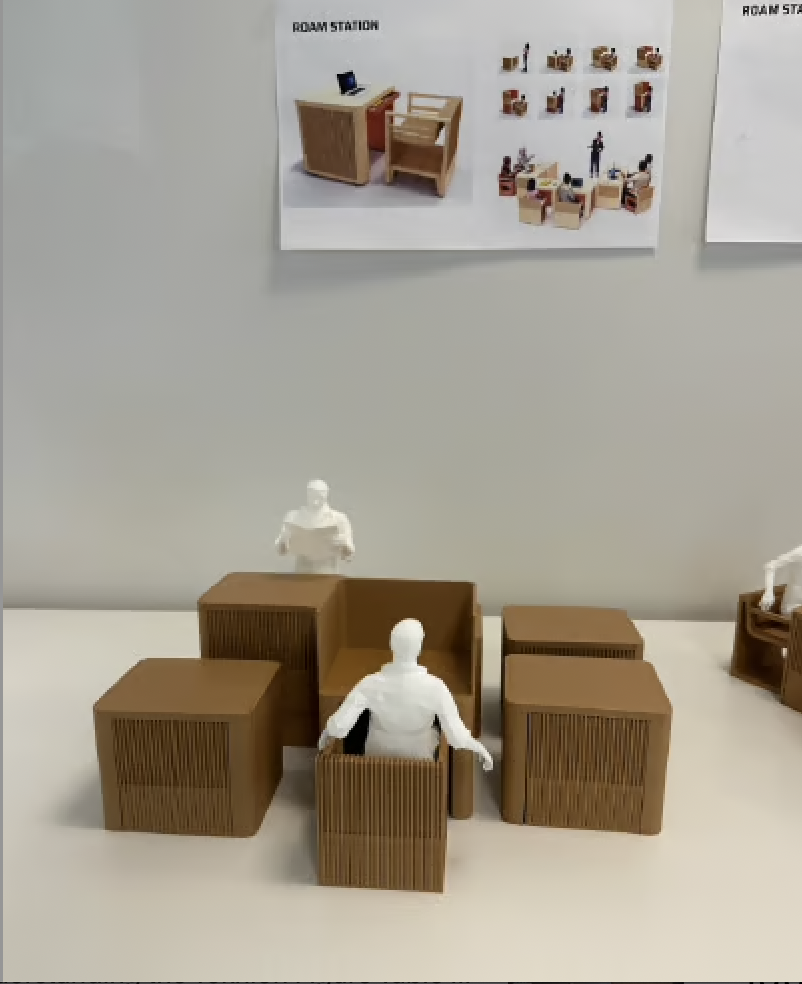
RoamStation brings flexibility with a stronger design presence
One of the most compelling ideas within the collection is RoamStation, a mobile and modular workstation designed to support multiple work modes throughout the day. It allows users to shift between private focus, social interaction, and collaboration with ease. Teknion describes it as a compact and self-contained workstation that can be configured and reconfigured in real time, giving individuals greater control over how and where they work. From a functional perspective, this level of flexibility is critical. Hybrid work patterns and evolving team dynamics have made static layouts less effective. Solutions like RoamStation support a more agile environment without sacrificing usability. From a design perspective, it does something equally important. It adds visual energy to the space. Instead of fading into the background, it becomes a focal point. Its form feels intentional and modern, which helps the office present as innovative and thoughtfully curated. That difference matters when companies want their space to communicate creativity and forward thinking.
Nimbus redefines how space is experienced
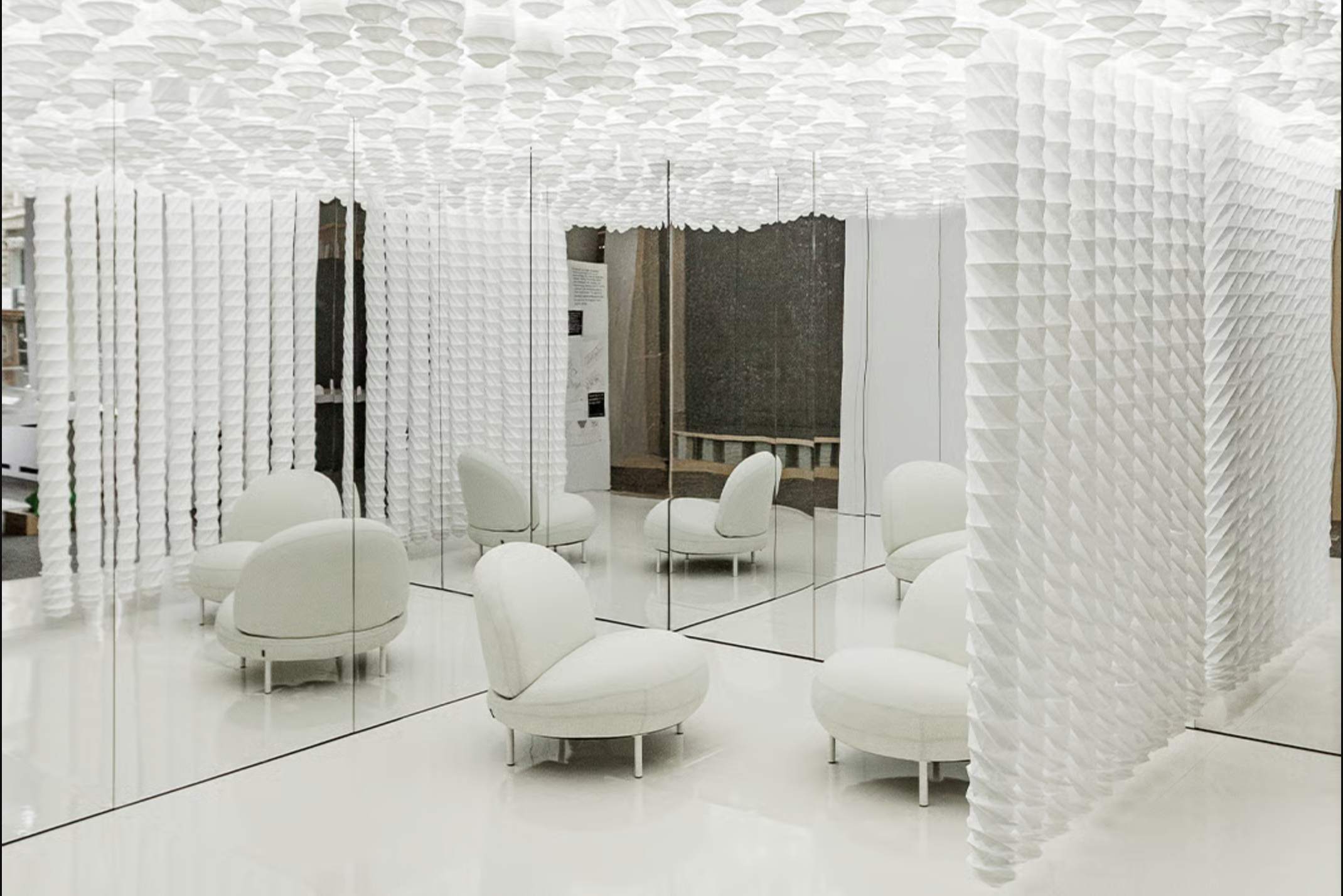
Nimbus takes a different approach by focusing on how space is divided and experienced. Rather than relying on rigid partitions, it introduces suspended fabric like pillars that create softer and more adaptable boundaries. Teknion highlights its ability to support acoustic control, privacy, and integrated lighting while allowing spaces to shift quickly as needs change. This approach offers clear planning advantages. It allows organizations to shape areas for focus, collaboration, or conversation without locking the office into fixed layouts. Just as important, it changes how the space feels. Nimbus introduces texture, movement, and atmosphere. It softens the overall environment and reduces the institutional feel that many offices still carry. The result is a workplace that feels more comfortable and more engaging. For employees, that can lead to a better daily experience. For clients, it creates a memorable impression that signals attention to detail and strong design thinking.
Design that supports employees and impresses clients
One of the most important takeaways from Teknion’s Advanced Concepts 2.0 is that function and aesthetics are no longer separate priorities. The most effective workplace solutions deliver both. They improve flexibility, privacy, and efficiency while also elevating the visual quality of the space. This matters because office design influences two key audiences. Employees benefit from spaces that feel intentional and responsive to their needs. When an office includes adaptable work areas, thoughtful materials, and a clear design language, it can improve comfort, engagement, and overall satisfaction. Clients and visitors experience something different but equally important. The office becomes a reflection of the brand. A space that feels modern and distinctive reinforces professionalism, creativity, and confidence. It communicates value before any conversation begins.
The role of unique design in the modern workplace
Offices today are part of a company’s identity. They appear in recruiting, client meetings, and everyday interactions. They shape perception in subtle but powerful ways. This is why unique products and advanced concepts are worth the investment. They bring character and presence to a space. Instead of blending into a sea of sameness, they introduce form, texture, and visual interest. They create an environment that feels intentional without sacrificing performance. Teknion’s continued focus on forward thinking workplace solutions reinforces this direction. Their latest concepts highlight how design can respond to changing behaviors while still delivering strong visual impact and practical value.
As workplace expectations continue to evolve, the most successful offices will be the ones that balance performance with personality. Businesses need environments that adapt quickly, support employees effectively, and leave a lasting impression. Advanced concepts like RoamStation and Nimbus demonstrate what is possible when office design moves beyond the basics. They offer flexibility for employees, a stronger visual identity for clients, and a more engaging experience overall. For companies that want their workspace to feel modern, useful, and memorable, this is not an added bonus. It is the direction the workplace is heading.