
Smarter Storage: How Digital Lock Technology Is Reshaping Workplace Furniture
Double-click to edit...
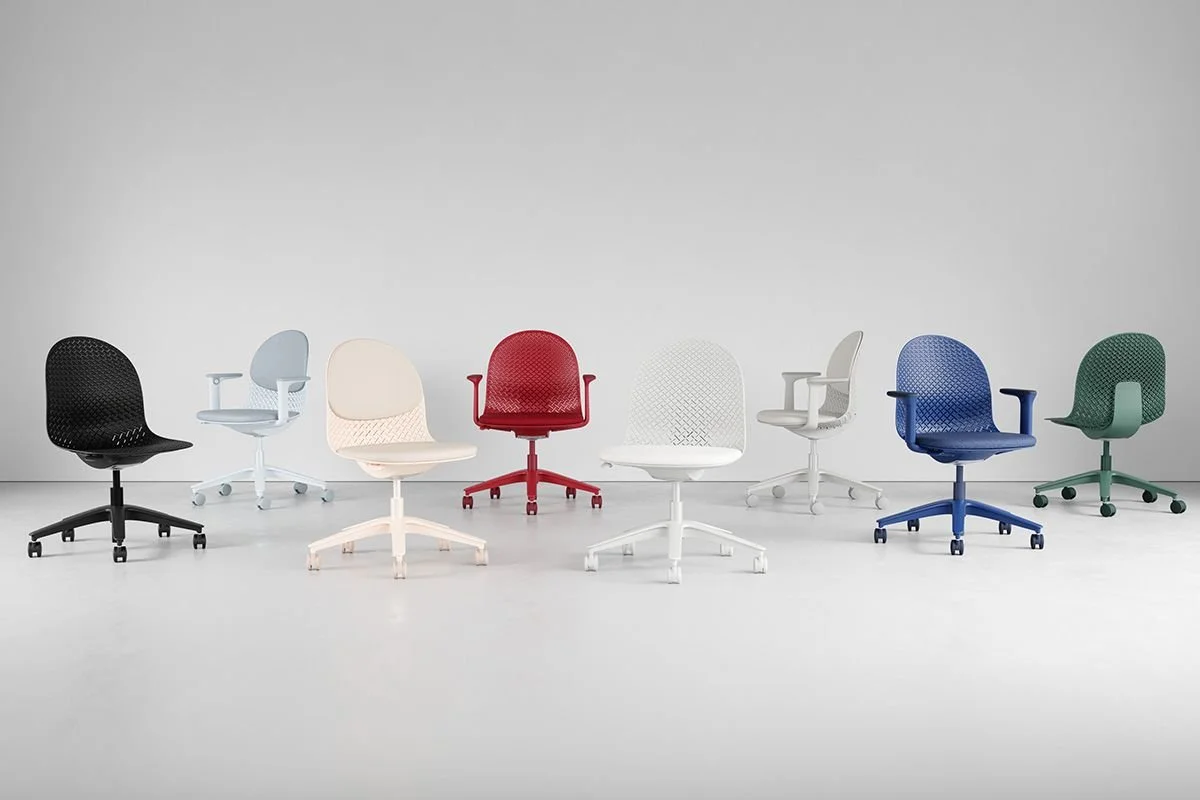
The modern workplace is evolving at a rapid pace. Hybrid schedules, shared desks, and flexible environments are no longer trends. They are the operating system. And as space becomes more dynamic, so must the furniture, office supplies, and office decor that support it.
One of the most overlooked yet critical upgrades in this evolution is access control. Specifically, how users interact with storage. Lockers, cabinets, and personal storage are no longer static assets. They are active touchpoints in the user experience. Digital lock technology is quietly transforming office furniture and renovation furniture from passive storage into intelligent infrastructure.
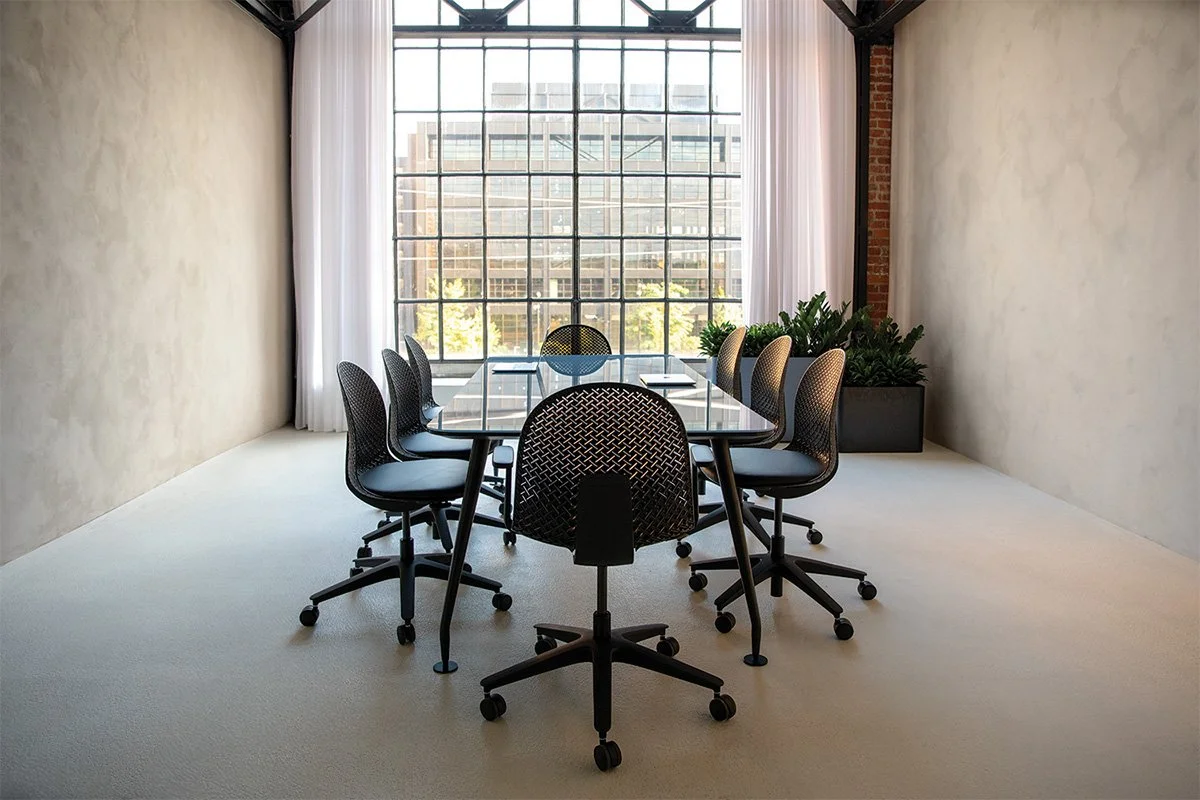
From Static Storage to Intelligent Systems
Traditional locks were built for permanence. One key. One user. One fixed outcome. That model no longer aligns with how people work today.
Digital locking systems introduce flexibility at scale. They allow storage to shift between assigned use and shared use, supporting everything from permanent employee lockers to hoteling environments where users rotate daily.
This is more than convenience. It is operational efficiency.
A single bank of lockers can now serve dozens of users throughout a week without manual intervention. That is a direct impact on real estate utilization, office organization, and workplace ROI, especially in environments investing in office renovation furniture and modern office supplies.
The Spectrum of Locking Solutions
Not all digital locks are created equal. The market now offers a range of solutions that align with different workplace needs, from basic office furniture upgrades to full-scale workplace renovation strategies.
Mechanical Keyless Locks: Simplicity Meets Durability
At the foundation, keyless mechanical locks provide a reliable, battery free solution. With up to 10,000 possible code combinations, they balance security with simplicity.
These systems require no power, automatically reset after each use for added security, and are built with tamper resistant construction. They are compatible with a wide range of materials including wood and metal, making them ideal for office furniture, storage cabinets, and renovation furniture applications.
These locks are especially effective in high traffic environments such as fitness centers, educational facilities, and large office spaces where durable office supplies and long term reliability are essential.
Electronic Locks: Flexibility at Scale
Stepping into digital territory, electronic locks introduce programmability and administrative control, elevating the role of office furniture into a connected system.
Systems like compact eLocks allow hundreds of user codes and administrative combinations, while eliminating the need for physical keys. They enable temporary access solutions such as rescue codes and incorporate security features like automatic lockouts after repeated failed attempts.
This transforms storage into a managed system rather than a static fixture. In workplace terms, this means IT, HR, or facilities teams can control access seamlessly, aligning with broader office management strategies and modern office supply ecosystems.
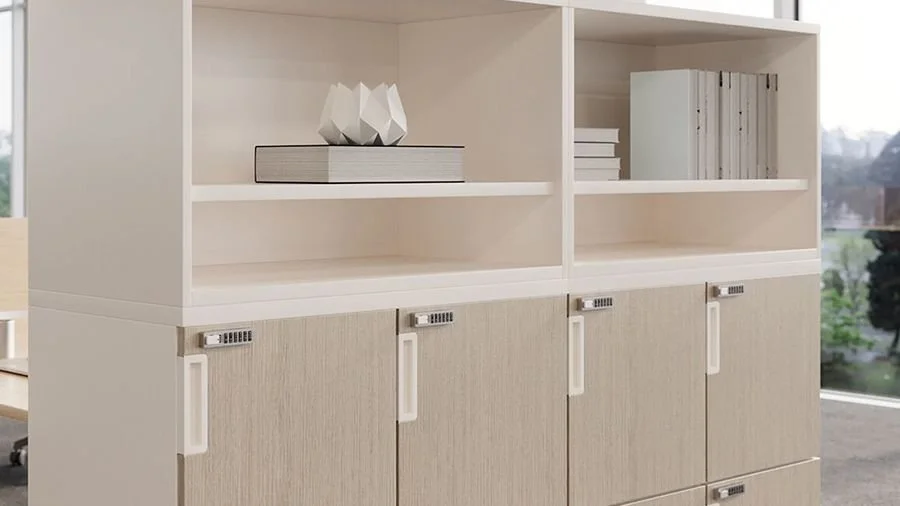
Advanced Digital Locks: Full Integration Capability
At the high end, digital locks integrate directly into workplace infrastructure, supporting advanced office furniture systems and large scale renovation furniture projects.
These systems allow multiple user credentials per lock, tiered access through manager and programming keys, and configurable modes for shared or assigned use. They can be deployed across entire buildings, supporting structured access strategies by department, floor, or function.
This is where office decor and furniture move beyond aesthetics and begin functioning as intelligent systems within a connected workplace.
Why This Matters for Furniture Strategy
Digital locks are not just a hardware upgrade. They are a strategic lever for companies investing in office supplies, office decor, and renovation furniture.
Space optimization becomes achievable as shared use functionality allows fewer lockers to serve more people. This reduces spatial footprint while increasing utility, a critical advantage in modern office planning.
User experience improves significantly. Employees no longer deal with lost keys or delayed access. Instead, they interact with intuitive systems that support a seamless workflow.
Security and compliance are strengthened through features like automatic code resets, tamper resistance, and administrative override capabilities. These features align with the expectations of secure office environments and high performance office furniture systems.
Sustainability also plays a role. Certain locking solutions contribute to LEED certification goals, reinforcing the value of environmentally conscious office decor and sustainable renovation furniture investments.
The Hidden Value: Operational Control
The real advantage lies in control.
Digital locking systems give organizations visibility and authority over how storage is used. Facilities teams can reassign lockers instantly, reset access without physical intervention, and manage permissions across departments. This reduces downtime and eliminates inefficiencies tied to traditional lock systems.
In the context of office supplies and furniture planning, this level of control ensures that every asset is working harder and smarter.
Designing for the Future Workplace
The workplace is no longer defined by desks. It is defined by adaptability.
Furniture, office decor, and storage solutions must respond accordingly. Digital locks enable agile environments that flex daily, support seamless transitions between users, and scale alongside organizational growth.
They transform office furniture into a dynamic component of workplace strategy rather than a static investment.